|
|
ASCOBANS Common Dolphin Group Meets Online
The second meeting of the Steering Group for the ASCOBANS Species Action Plan (SAP) for the North-East Atlantic Common Dolphin - also known as the ‘Common Dolphin Group’ - took place yesterday. Over 20 members and invited experts attended the meeting, which was held online this time, owing to COVID-19 implicated travel restrictions.
|
|
|
|
|
|
In Memoriam - Patricia Stadié
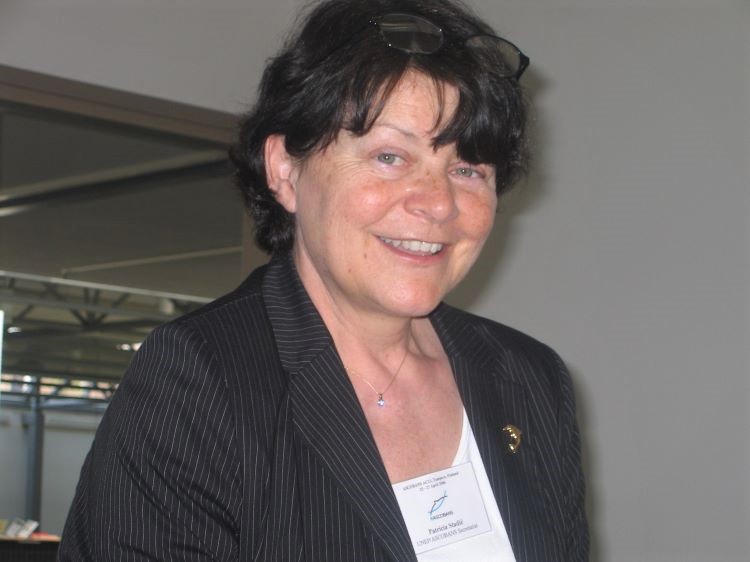
The ASCOBANS Secretariat is saddened to have received the news that its long-standing former Administrative Assistant, Patricia Stadié, passed away on 11 September 2020, at the age of 70.
|
|
|
|
|
|
Better Protection for Europe’s Dolphins and Porpoises Agreed at ASCOBANS MOP9
The 9th Meeting of the Parties to ASCOBANS concluded last Friday, 11 September 2020. Originally scheduled to take place in Brussels, the meeting was held virtually as a result of travel restrictions caused by the corona crisis. New resolutions were adopted on the critically endangered Harbour Porpoise population of the Baltic proper, on marine debris and on food availability and resource depletion. Delegates also approved the Best Practice on Cetacean Post-mortem Investigation and Tissue Sampling and approved amendments to existing resolutions on the conservation of the Common Dolphin, bycatch, underwater noise and responses to stranding incidents.
|
|
|
|
|
|
ASCOBANS Outreach and Education Award 2020 to Marine Mammals Science Education
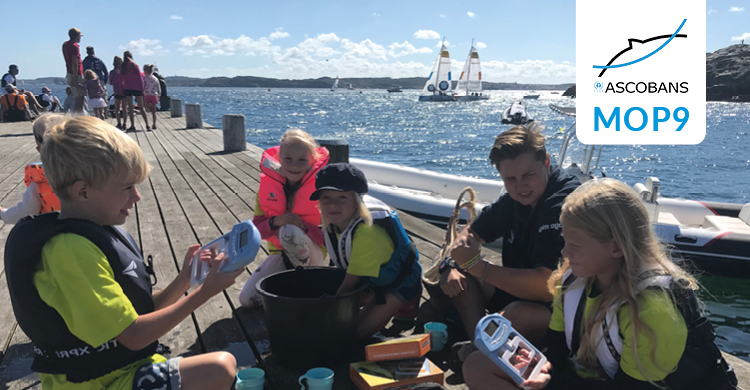
‘Marine Mammals Science Education’ project has just been announced the winner of the ASCOBANS Outreach and Education Award 2020 at the Ninth Meeting of the Parties, which began today and will continue online until 11 September. ‘Marine Mammals Science Education’ is an EU-funded project, which aims to engage young people in natural science to prevent future shortages of specialists in science, technology, engineering and mathematics (STEM). Nine scientific and educational research institutes plus NGOs from Belgium, Denmark, Germany, Poland and Sweden joined forces to carry out the project. The core work of all of the partners’ work focuses on marine mammals and related topics.
|
|
|
|
|
|
Bycatch – Still a Major Cause of Small Cetacean Mortality
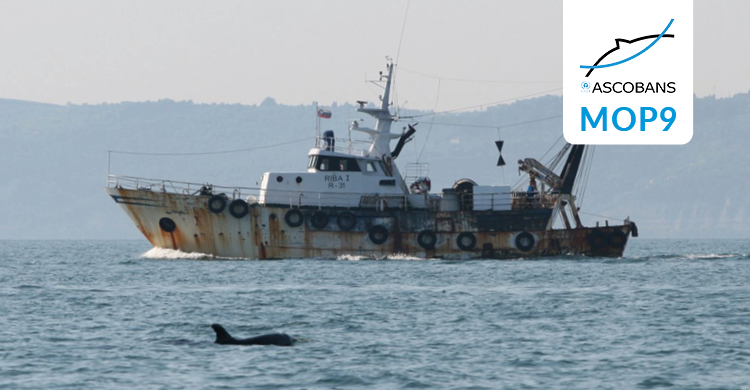
Despite the efforts made by Parties to date, bycatch remains a major cause of mortality for small cetaceans in the ASCOBANS Agreement Area. The available data indicate that levels of bycatch – the incidental capture of non-target species in fishing nets - may threaten the conservation status of some small cetacean populations, such as the Common Dolphin and Harbour Porpoise. Next week, the ASCOBANS MOP9 will consider proposed amendments to Resolution 8.5 on Monitoring and Mitigation of Small Cetacean Bycatch.
|
|
|
|
|
|
Addressing Conservation Measures for the North-East Atlantic Short-beaked Common Dolphin Population
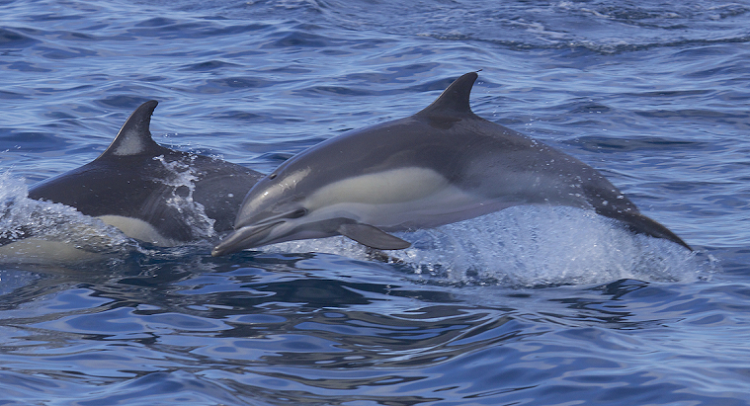
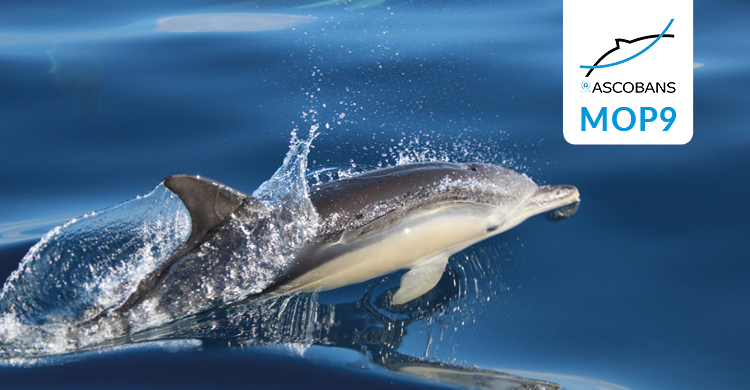
The North-East Atlantic population of the Short-beaked Common Dolphin (Delphinus delphis), Common Dolphin for short, is facing increasing anthropogenic pressures, the most significant of which is bycatch. Other key threats are chemical and noise pollution. The ASCOBANS Species Action Plan (SAP) for the North-East Atlantic Common Dolphin was adopted in 2019.
|
|
|
|
|
|
New Guidelines Help Minimize the Impact of Bycatch of Small Cetaceans
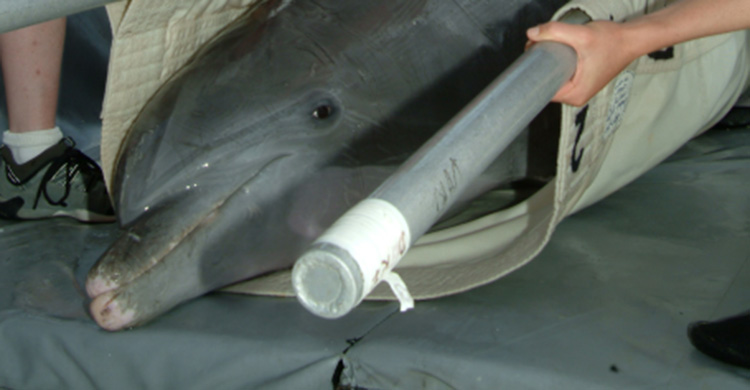
CMS in collaboration with WWF has published Guidelines for the Safe and Humane Handling and Release of Bycaught Small Cetaceans from Fishing Gear, which set out best practice on how to handle and release small cetaceans accidentally caught in fishing gear. Preventing fisheries bycatch is a top priority to ensure the conservation of species or populations. However, when these efforts fail and small cetaceans are found alive in or on fishing gear, this clear and comprehensive set of guidelines for the fishers involved will be of great benefit.
|
|
|
|
|
|
Prey Depletion - Another Threat to Small Cetaceans
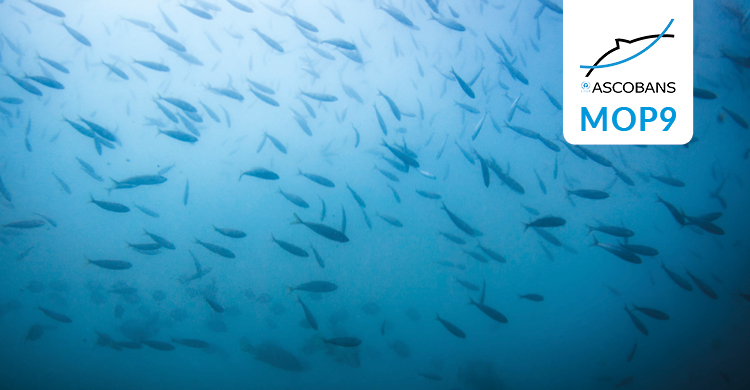
Small cetacean distributions are influenced by the distribution and diversity of their main prey species and there is evidence that prey depletion is posing a threat to small cetaceans within the ASCOBANS Agreement Area. The quality and quantity of the prey have a considerable bearing on the health of small cetaceans, and the deterioration of both is a serious concern. A draft resolution on Resource Depletion will be proposed for adoption at ASCOBANS MOP9.
|
|
|
|
|
|
Baltic Proper Harbour Porpoise in Focus
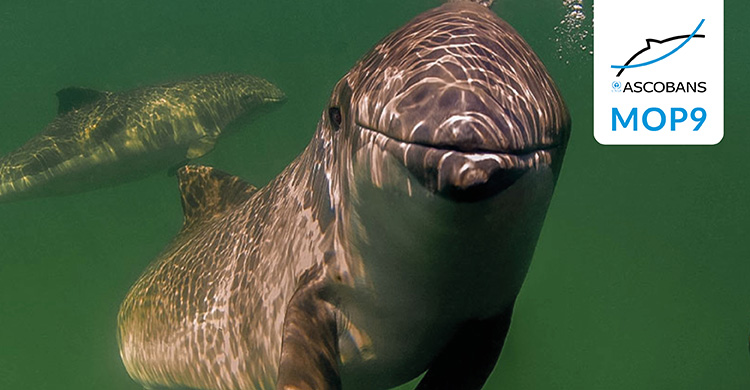
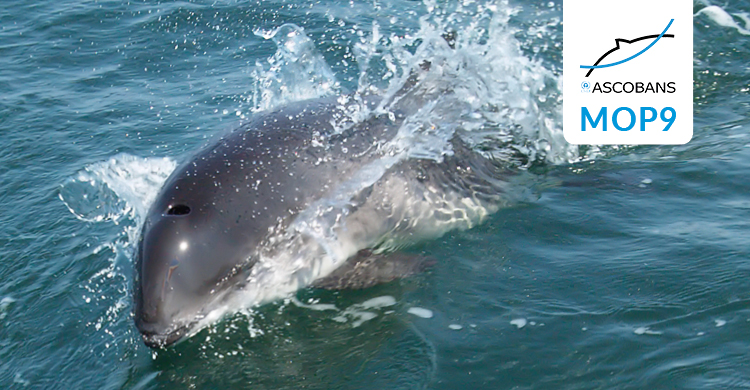
Last assessed in 2008, the Baltic Proper sub-population of the Harbour Porpoise (Phocoena phocoena) was categorized as Critically Endangered on the IUCN Red List, and the population is thought to number only a few hundred. A draft resolution on The Baltic Proper Harbour Porpoise will be proposed for adoption at ASCOBANS MOP9.
|
|
|
|
|
|
Marine Debris – Ghost Nets and Plastics – a Deadly Hazard for Cetaceans
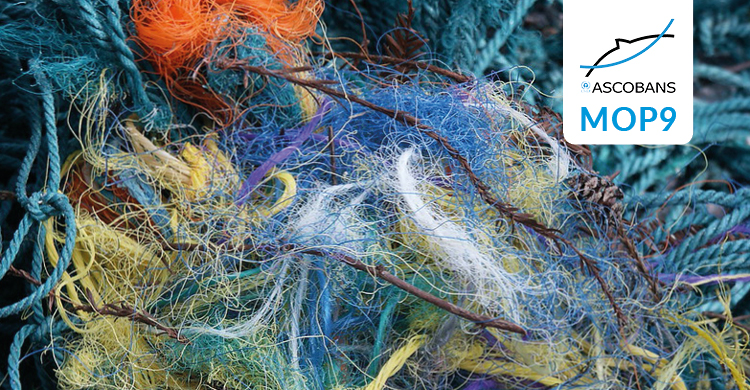
Worldwide, marine debris, which includes abandoned, lost or otherwise discarded fishing gear (ALDFG) and plastics, has a negative impact on a substantial number of marine animals. Ingestion of plastics and entanglement, including in ‘ghost nets’, are both increasingly giving rise to conservation and welfare concerns for cetaceans and other marine mammals.
|
|
|
|
|
|